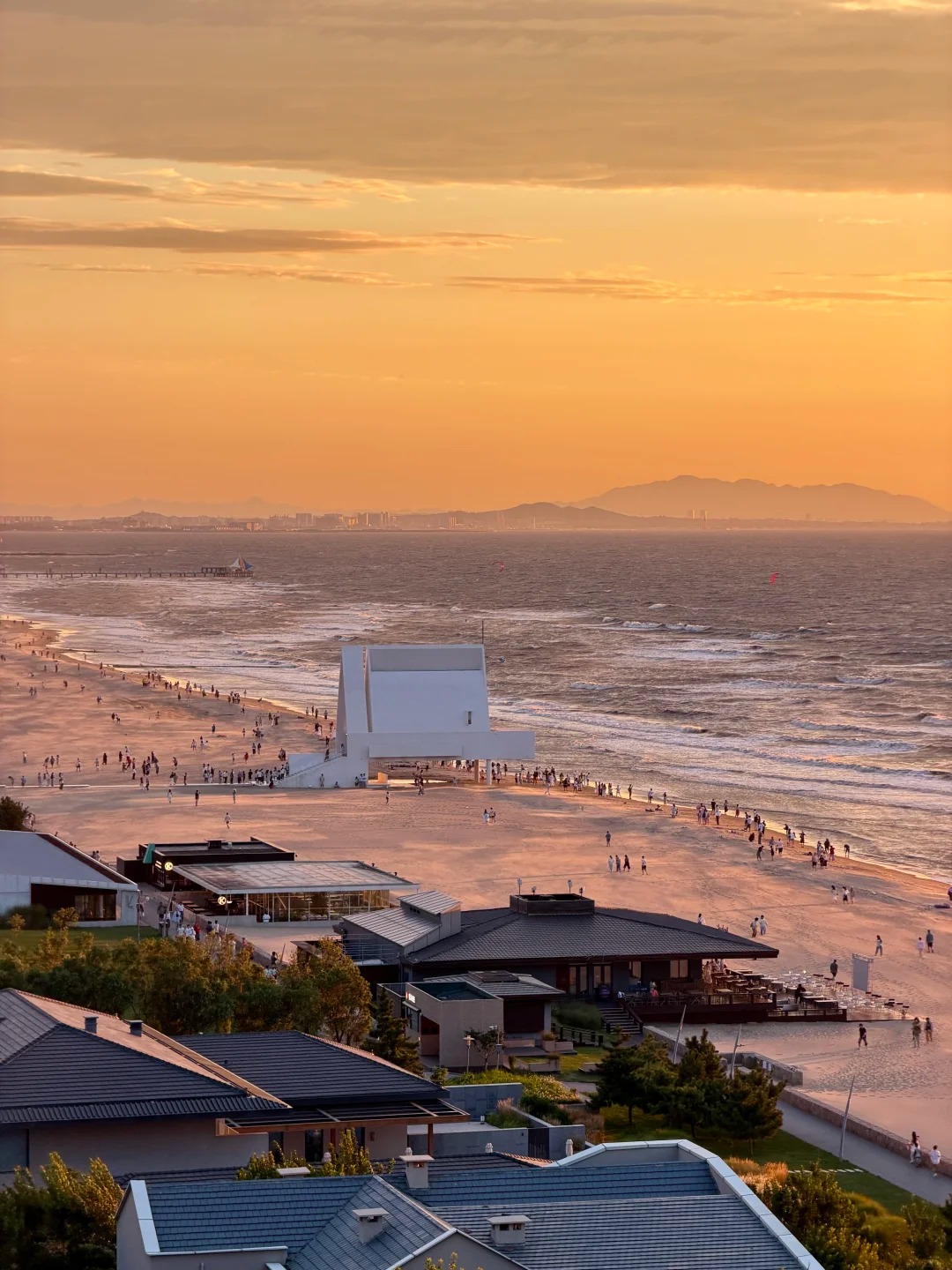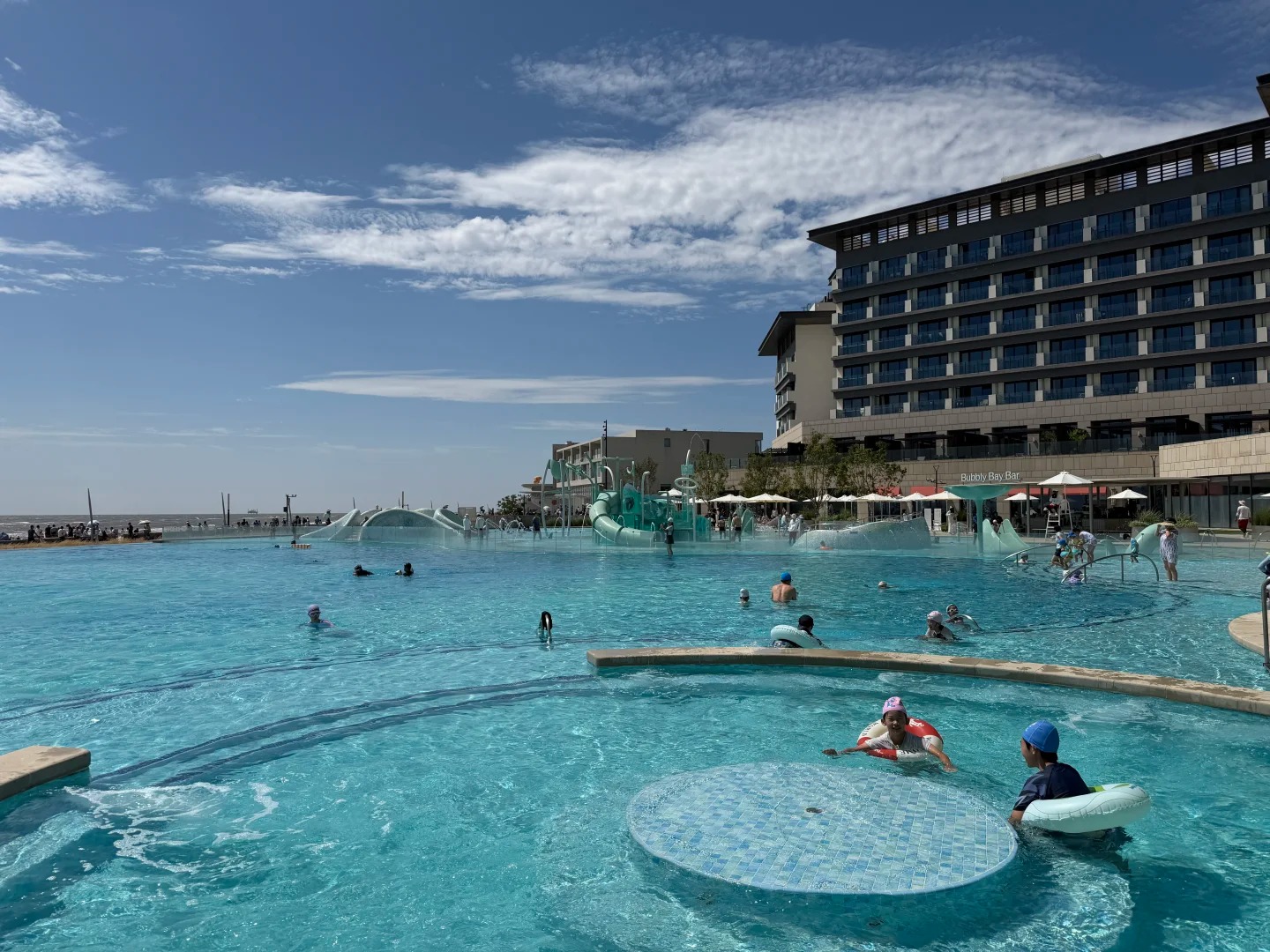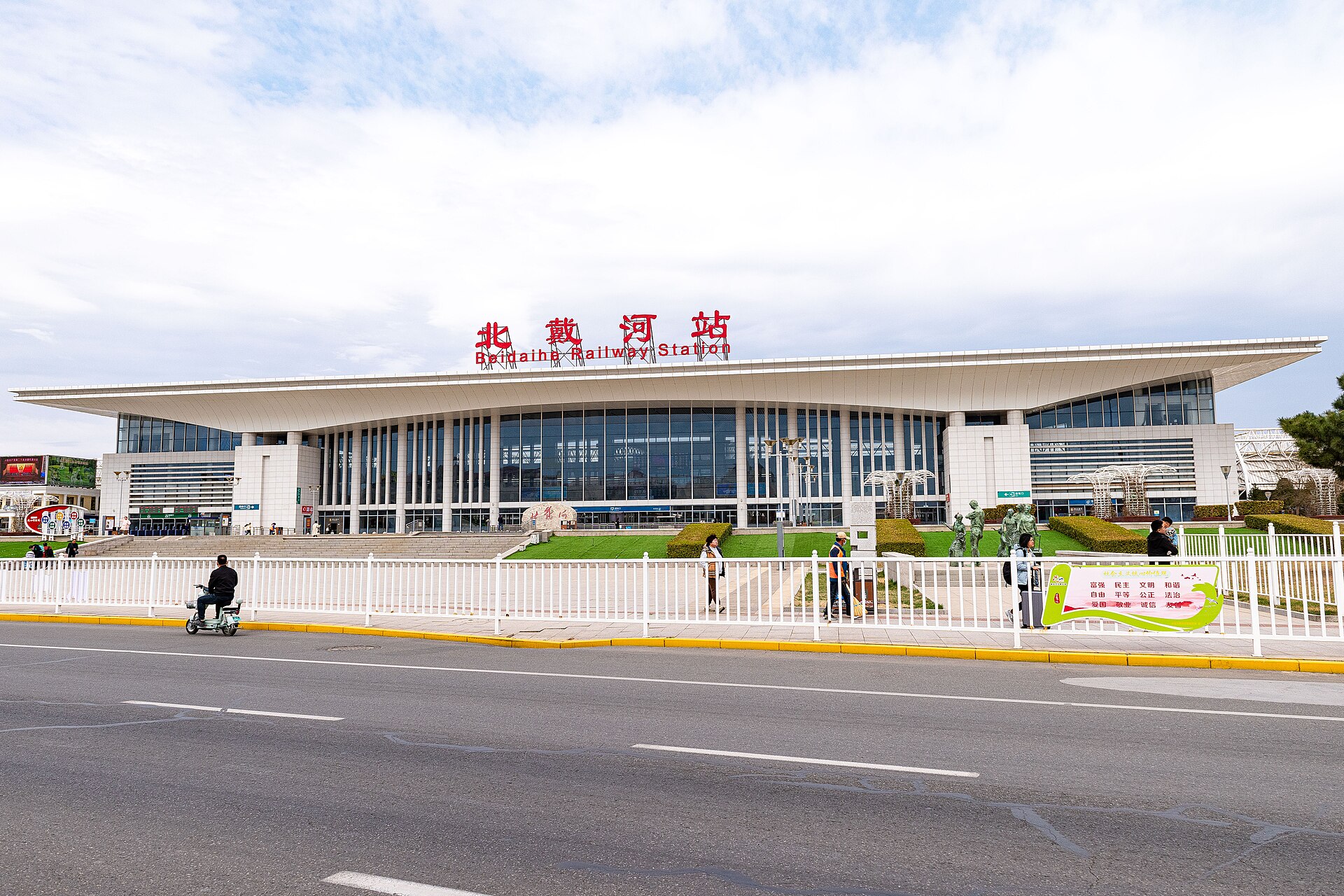



Aranya does not sell houses. It sells admission: community and content create the reason to arrive, revenue-sharing binds tenants and owners, and an access code rations scarce supply. The house is only the receipt for that operating right.
Phase
Years
Situation, in one line
Response, in one line
P0
2002–2012
Conventional sea-view flats; 40 million yuan of sales in the whole of 2012, written off as a distressed asset by the original shareholder.
No differentiated product: the sea was the pitch, not the community.
P1
2013–2015
A 1 billion yuan loan at roughly 150 million a year in interest; continuing the old model could only end in insolvency.
Sales halted; culture replaced advertising as the acquisition channel.
P2
2016–2019
One project, one customer group; the reason to arrive rested on a single film and had to be institutionalised.
Community scaled past a hundred groups; development and holdings ran in parallel.
P3
2020–2022
The south district hit its ceiling; the conflict between owners and day visitors became explicit.
North bank expansion, IP programming, first land purchase through a joint-venture platform.
P4
2023–2026
Single-project revenue plateaued while the property downturn squeezed sell-through.
Heavy and light separated; operations exported with state-owned partners.
Phase boundaries follow cash and asset structure, not sales volume: 2013 (change of control), 2016 (content institutionalised), 2020 (expansion), 2023 (separation).
This page is the summary; evidence per phase sits on pages 4–5. The 40 million figure is full-year 2012 sales.